A lawn that stays soggy after rain can become muddy, patchy and difficult to maintain. The best solution depends on why water is collecting: compacted soil, low spots, excess watering and concentrated runoff each need a different approach.
Why Queensland lawns can stay wet
South East Queensland has a subtropical climate, with hot, humid summers and generally higher rainfall during the warmer months. Intense storms and consecutive wet days can leave soil saturated even where a lawn normally drains well. Heavy rain can also occur outside summer, so plan drainage for the whole year.
Queensland soils vary considerably. A clay or compacted building site can drain slowly, while coastal sand may drain freely until it meets a compacted layer or a high water table. Check the soil beneath your own lawn rather than choosing a treatment based only on your suburb.
Elsewhere in Australia: Southern regions may experience their main waterlogging problems in winter, while tropical northern areas have a more pronounced wet season. Match lawn work to local rainfall, soil conditions and active grass growth.
Start by finding the cause
Watch where water enters, pools and leaves during rain. Does one hollow fill while nearby grass dries? Is the lawn wet during dry weather? Prolonged saturation reduces the oxygen available to grass roots. Identify the cause before spending money on new turf or drainage.
1. Aerate compacted soil
Best for: Hard ground and heavily used areas.
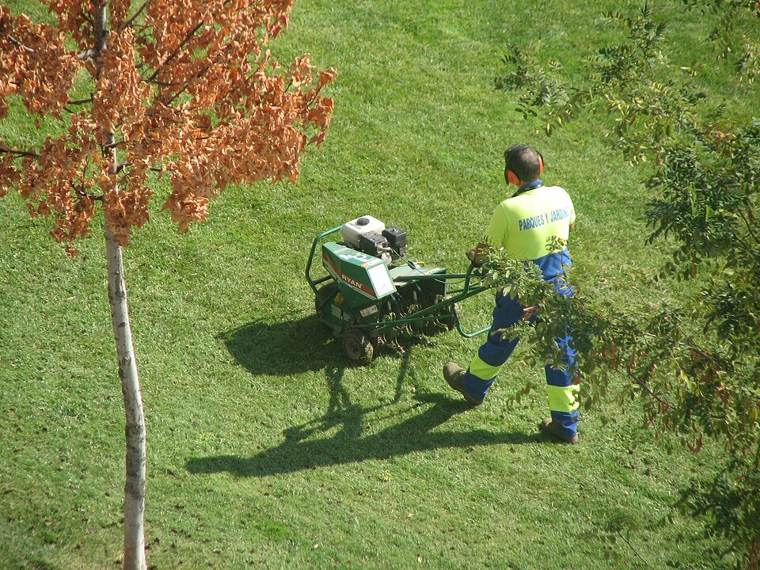
Example: A buffalo lawn on a regularly used route to the clothesline stays muddy after a Queensland summer storm, while the less-used grass nearby drains more quickly.
Why it helps: Foot traffic and machinery compress soil. Hollow-tine aeration removes small plugs, opening spaces for air and water around grass roots. For warm-season lawns such as buffalo, couch and zoysia, plan this work during active growth, commonly in spring once the lawn is growing well. Wait until saturated ground has drained and is firm enough to work without churning it up. Avoid renovating a stressed lawn just before extreme heat or heavy rain.
Aeration helps surface compaction; it will not fix a high water table or a deep, impermeable layer.
2. Repair low spots
Best for: Puddles that repeatedly form in one shallow hollow.
Example: A section of a Gympie backyard settles after landscaping and becomes a puddle whenever summer storms arrive.
Why it helps: Minor depressions may be corrected gradually with turf-compatible topdressing during active growth. Deeper hollows may need the turf lifted, the underlying levels corrected and the turf relaid. This removes the collection point while maintaining a suitable direction for runoff.
Use a topdressing compatible with your existing soil and turf. Keep grass leaves exposed and avoid filling against walls, weep holes or termite inspection areas. Check finished levels near the house before raising the lawn.
3. Adjust watering and check for leaks
Best for: Lawns that remain wet between rain events.
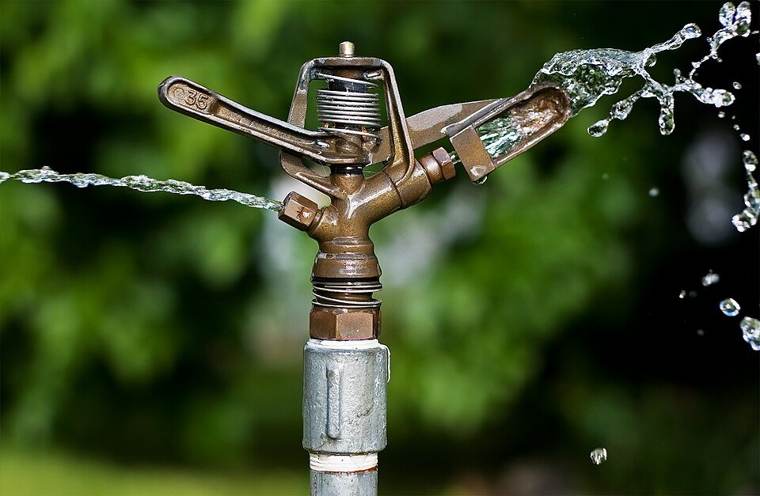
Example: Automatic sprinklers keep watering a shaded Sunshine Coast side lawn after several days of rain.
Why it helps: Check timers, overlapping sprinkler coverage, leaking fittings and moisture below the surface. Pause irrigation while the root zone is wet; a rain or soil-moisture sensor can help prevent unnecessary watering. Resume according to the lawn’s needs and local water restrictions, rather than using the same schedule all year.
A persistent wet patch during dry weather may indicate a leak. Investigate the source before installing drainage.
4. Intercept runoff with a surface drain
Best for: Water entering from driveways, paths or patios.
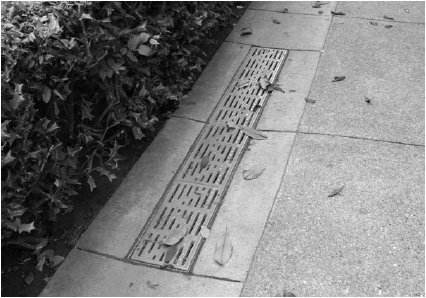
Example: A short, heavy storm sends water from a sloping driveway onto the lawn faster than the soil can absorb it.
Why it helps: A suitably located grated channel drain or stormwater pit can intercept concentrated runoff before it spreads across the lawn. Correct surface falls guide water into the inlet. Keep grates and pits clear of leaves and grass clippings, and assess where overflow will travel if a storm exceeds the system’s capacity.
Water needs a suitable, approved discharge point. Do not direct it towards buildings or neighbouring properties; have connections and requirements checked locally.
5. Consider subsoil drainage with ag pipe
Best for: Persistent saturation after surface levels and watering have been assessed.
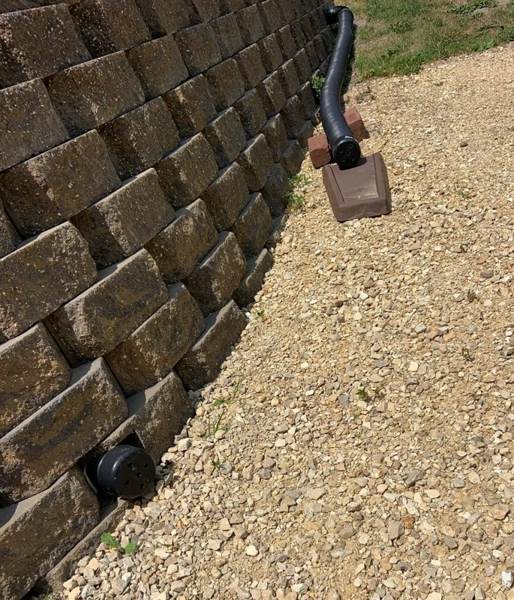
Example: The lowest part of the lawn stays soggy long after nearby areas dry.
Why it helps: In Australia, perforated agricultural drainage pipe is commonly called ag pipe. A properly designed subsoil system combines suitable pipe, drainage aggregate and filtration to collect excess soil water and convey it to an appropriate outlet. Soil type, depth, spacing and fall determine performance; it serves a different purpose from a grated drain collecting fast surface runoff.
Heavy clay can release water slowly, and high groundwater can limit what a shallow drain achieves. A gravel trench or ag pipe without an effective outlet may achieve little. Have the system assessed by a drainage professional, check underground services before digging, and use a licensed plumber for plumbing or stormwater connection work where required.
6. Create a rain garden where suitable
Best for: A selected area that can safely hold runoff temporarily.
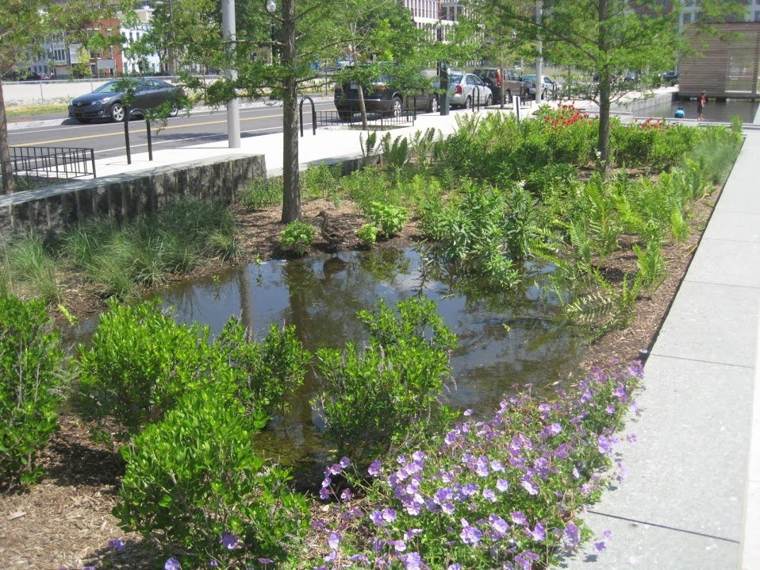
Example: A difficult-to-mow corner becomes a planted feature receiving garden runoff.
Why it helps: A rain garden is a shallow planted depression designed to receive runoff and drain between rainfall events. In Queensland it must cope with wet spells and dry intervals. Tall sedge (Carex appressa) is an example to discuss with a local native nursery for seasonally wet areas; mat-rush (Lomandra longifolia) may suit better-drained margins. Confirm the species or cultivar suits your local soil, sun and waterlogging duration. Test infiltration and provide a safe overflow route; heavy clay sites may require a designed underdrain.
It should drain between rainfall events. Plants alone cannot solve permanently saturated ground; keep the design clear of foundations and services.
7. Plan drainage around garden edging
Best for: New borders, paths and landscaping near existing water routes.
Example: A continuous garden border crosses the route that rainwater previously followed.
Why it helps: Plan edging heights and drainage together. Where needed, provide a purpose-designed drainage crossing or collection point so runoff can reach a suitable outlet.
Concrete edging defines beds and contains mulch, but is not a drainage system. Consider how the complete landscape will handle heavy rain.
Clay soil, gypsum and wetting agents: choose the right treatment
Do not assume every Queensland clay lawn needs gypsum. It can help some dispersive or sodic clay soils, but it does not fix every clay soil or replace an outlet for excess water. Seek soil testing or advice before applying amendments. Improve garden-bed soil when preparing beds; do not dig compost through an established lawn or spread thick layers over the grass.
A wetting agent is intended to help water enter water-repellent soil, which can occur in sandy ground. It does not remove water from an already saturated lawn. If water beads on a dry surface, investigate water repellency; if the soil underneath is already wet, investigate drainage instead.
After prolonged rain or flooding
Keep people, pets and mowers off soft turf until it is firm enough to walk on without leaving ruts. Clear accessible grates once it is safe and let the lawn recover before renovation. Stormwater management can reduce local ponding, but a garden drain cannot prevent river flooding or every extreme rainfall event.
Common mistakes to avoid
- Walking or mowing on saturated ground, which can damage turf and worsen compaction.
- Laying new turf before fixing the underlying problem.
- Adding sand or gypsum without understanding your soil; neither is a universal drainage fix.
- Expecting plants to absorb unlimited water or installing a drain without an outlet.
Plan your garden with water movement in mind
Some lawns improve with aeration or a watering adjustment. Others need corrected levels, drainage work or a different planting approach. If water reaches buildings, returns repeatedly or has no clear outlet, seek a site-specific drainage assessment.
Planning new garden borders? Contact Cooloola Kerbing & Concrete Resurfacing for a free edging quote. We service Sunshine Coast to Hervey Bay and communities in between.
General garden guidance; not a site-specific drainage design. Reference photographs show examples from other locations and are not Cooloola Kerbing project photographs.
Australian advice and further reading
- Bureau of Meteorology: South East Queensland climate and rainfall
- Queensland Government: understand and improve your soil
- Queensland Government: watering your garden
- Water Corporation: warm-season lawn care and aeration
- QBCC: garden levels, drainage and protecting your home
- Melbourne Water: rain-garden planting principles — adapt plant selection to Queensland.
Photo credits
Photographs resized and compressed for display. Each photograph retains the licence listed below.
- AIREADORA 04.JPG (https://commons.wikimedia.org/wiki/File:AIREADORA_04.JPG) — Guipozjim; CC BY 3.0 (https://creativecommons.org/licenses/by/3.0).
- Impact Sprinkler Mechanism 2.jpg (https://commons.wikimedia.org/wiki/File:Impact_Sprinkler_Mechanism_2.jpg) — JJ Harrison (jjharrison.com.au); CC BY-SA 3.0 (https://creativecommons.org/licenses/by-sa/3.0).
- French drain.webp (https://commons.wikimedia.org/wiki/File:French_drain.webp) — Wikideas1; CC0 (http://creativecommons.org/publicdomain/zero/1.0/deed.en).
- Rain Garden (15455930908).jpg (https://commons.wikimedia.org/wiki/File:Rain_Garden_(15455930908).jpg) — Alisha Goldstein / US EPA; Public domain.
- Trench Drain along Magnolia Promenade (0fc0d310-b002-ccff-67c5-61a54b5b7551).jpg (https://commons.wikimedia.org/wiki/File:Trench_Drain_along_Magnolia_Promenade_(0fc0d310-b002-ccff-67c5-61a54b5b7551).jpg) — NPS; Public domain.